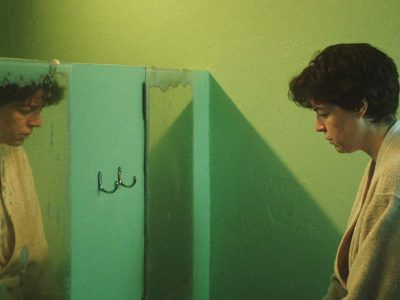
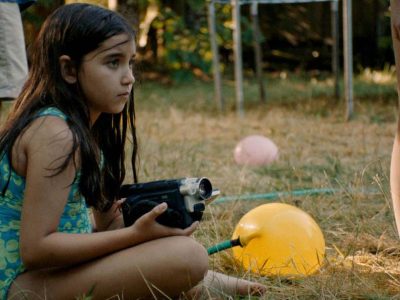
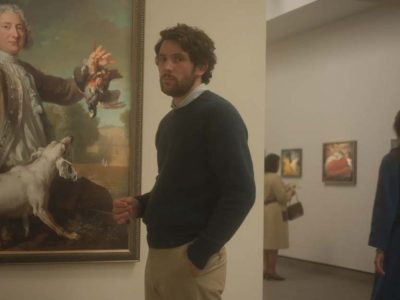
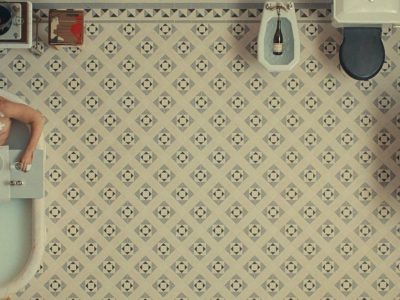
The family is often imagined as a refuge, but Sentimental Value exposes it as a moral field: unmet expectations, silences, and affective debts. It does not originate trauma; it renders it inevitable. In that closeness, the past persists, and repair proves impossible.
“You have a State that gives you things and makes creators lazy, because that’s what INCAA does. It’s not that INCAA is bad — INCAA is fine — but around INCAA a group of slackers forms, people who make that their job: pretending to make a film. It happens all the time.”
Beyond the inexplicable contempt toward hundreds of workers, this statement contains something even more unsettling: it is indistinguishable from the attacks made by Carlos Pirovano, the official appointed by Milei to carry out a brutal austerity program on the institute. If we published this quote on an unsigned Instagram card, the vast majority of people in the film community would assume it was said by Pirovano and not Casciari.
The film offers a defense of human mystery. It acknowledges that there are regions of the mind that can only be filmed and never explained. It invites us not to understand Lina from the outside, but to accompany her, to listen to the vibration of her fear without diagnosing it.
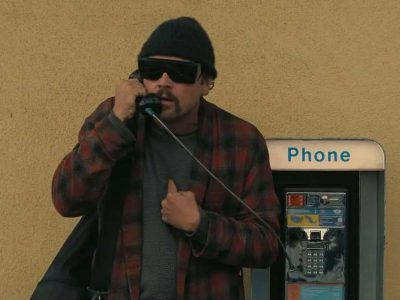
“In The Mastermind, Kelly Reichardt takes her poetics of silence to the extreme: what drives the story is not what the characters say, but what they leave unspoken. Through minimal gestures, pauses, and empty spaces, she constructs a narrative in which subtext replaces dialogue, revealing social, emotional, and political tensions without the need to explain them.”
“The excessive use of narrative coincidence, in that context, is a symptom of a deeper illness: the loss of faith in dramatic causality. There is no longer any trust that a well-told story can, on its own, hold the audience’s attention.”
Selecciones: Locarno 2025 (Ganadora Mejor Dirección) – DocLisboa – Tallinn Black Nights – Ji.hlava International Documentary Film Festival – Viennale – El Gouna Film Festival – Seminici