“A way of inhabiting the world”
Por Mauro Lukasievicz
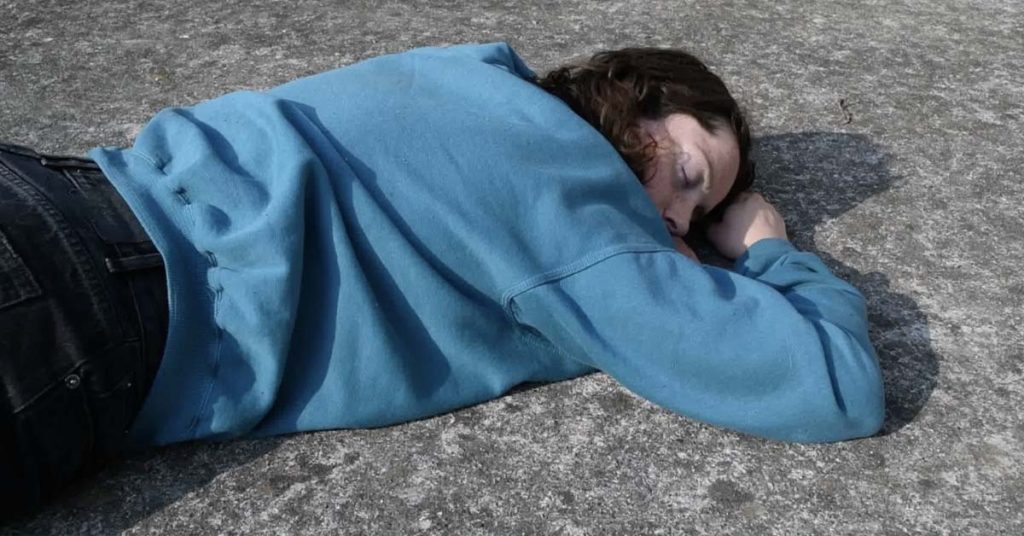
Fantasy opens like a crack through which something seeps—something that cinema, when it dares to be honest and free, is still capable of offering: an experience that defies logic and certainty. The title already hints at its ambivalence: fantaisie means imagination, but also illusion, trick, apparition. A presence that flickers in and out of sight. This is how the film unfolds, anchored in the ghostly silhouette of a young woman named Louise, a character who blurs the lines between wakefulness and dream.
The premise is almost imperceptible: a notebook filled with scribbled phrases, scattered confessions, thoughts that linger in the air. Isabel Pagliai turns those pages into an intimate talisman, filming them as if they were safeguarding a secret that resists being revealed. From them, Louise emerges—a figure who slips away from any fixed portrait. She leaves only faint traces, murmurs stray ideas, lets out bursts of laughter when no one is listening. More than a character, she is a trace that stretches through every frame.
The spirit that runs through Fantasy connects to the atmosphere of Tendre, the director’s previous work, where the everyday becomes a threshold to something else: a misty territory, alive with vibrations and shadows. Here, a forest—nearby or perhaps entirely invented—serves as both hiding place and portal. There, Louise encounters Thomas, a figure who never quite confirms his reality. In that clearing, the sounds of nature mingle with words that might be memories or mere wishes.
Time folds in on itself, bends, dissolves. The tangible gives way to the insistence of reverie. At times, the reading of those intimate pages merges with the very fabric of the film: the voice becomes flesh, the text breathes, fantasy gains ground. Louise whispers it herself: it’s not about understanding, but about letting oneself be pierced through. To feel the tremor of something like love, even if it lasts no longer than a sigh. Instead of tangling itself in a closed plot, Pagliai trusts in suggestion: a dim ray of light, a whisper, an outburst of laughter that cuts through the haze. Perhaps the film’s most radical gesture lies in that final moment: a laugh that shatters the mist and returns to cinema its vital impulse, reminding us that sometimes a single burst is enough to ignite the real. And if tomorrow Louise fades away, there remains the certainty that, behind the screen, ghosts still dwell—ready to speak to us, if we know how to listen.