European Parliament overwhelmingly backs new measures to protect copyright against artificial intelligence
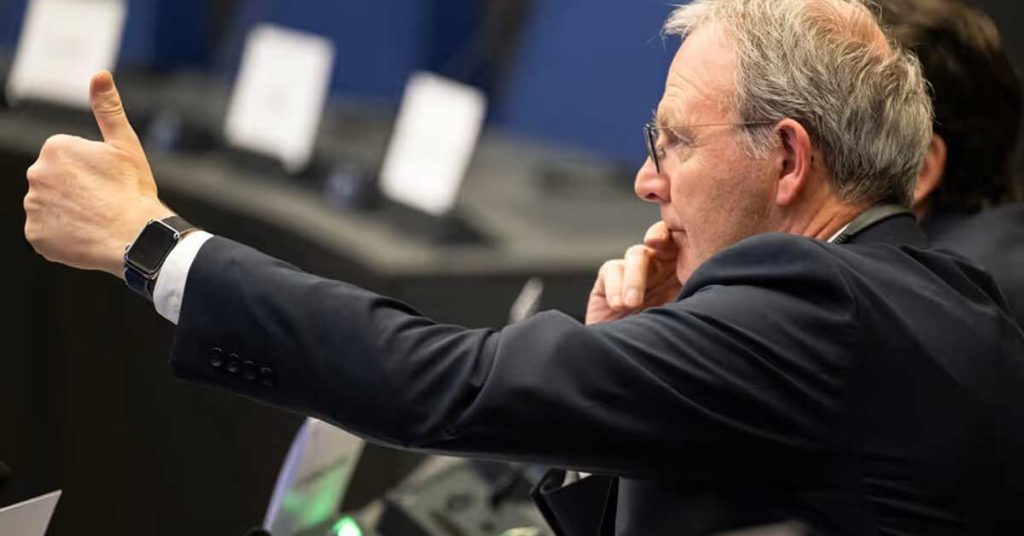
The European Parliament approved on March 10, by a large majority, a report aimed at strengthening copyright protection in the face of the rapid development of generative artificial intelligence. The initiative, presented by German MEP from the European People’s Party Axel Voss, was backed by 460 votes in favour, 71 against and 88 abstentions, and proposes new foundations to rebalance the relationship between AI developers and rights holders.
The document addresses one of the main concerns of the creative sector: the use of copyrighted works to train artificial intelligence systems without transparency or compensation for their creators. In this regard, Parliament calls for full respect of existing rules and the development of new regulations requiring AI companies to clearly disclose which copyrighted materials they use, to fairly remunerate rights holders, and to allow them to control how their works are used.
During a press conference held in Strasbourg following the vote, Voss explained that the initiative was prompted by the rapid evolution of technology and the growing imbalance between technology companies and creators. “We must ensure that the use of data and intellectual property has value. We are calling for new approaches to improve licensing systems and to respond more effectively to potential infringements,” he said.
The report also urges the European Commission to establish a functional licensing framework that would restore the bargaining power of rights holders and guarantee fair remuneration, while recognising the role of collective management organisations. It also calls for an examination of possible compensation for past uses of copyrighted works in AI training.
Another key issue addressed in the document is the impact of these technologies on the press and news media sector. MEPs warn that the exploitation of journalistic content by AI systems could threaten media pluralism, and therefore call for specific measures to protect news organisations and allow rights holders to exclude their works from AI training processes.
“Creators should be compensated when their work is used to train AI. Clear EU rules on copyright and AI training would provide legal certainty for developers about what they can use and how to license it, while ensuring that creators are protected and fairly paid,” Voss said.
The vote was welcomed by several organisations representing the European audiovisual sector, including the Federation of European Screen Directors, the Federation of Screenwriters in Europe, and the Society of Audiovisual Authors. Following Parliament’s endorsement, it is now up to the European Commission to translate this political mandate into concrete obligations regulating the use of copyrighted works in the development of artificial intelligence.