

Artificial intelligence, the crisis of the traditional financing model, and the need to take risks again were the main themes of the Zurich Film Festival’s annual summit, which brought together producers, executives, and filmmakers from across the industry at the Dolder Grand hotel last weekend.
AI came up in almost every panel, with sharply divided views. Vania Schlogel, founder of investment firm Atwater Capital, defended its use as a tool for greater efficiency, while acknowledging that “most of these models were built on the work of others, without credit, compensation, or consent.” On the opposite side was Efe Cakarel, founder and CEO of Mubi, who said his company would remain “as far away from AI as possible” when making films. “Twenty years from now, perhaps the most radical thing a production company will be able to say is ‘this was made by people,’” he said.
The most heated exchange of the day took place between Martin Moszkowicz, the festival’s president, and Roeg Sutherland, co-head of CAA Media Finance. “The traditional model of presales, tax credits, and subsidies is practically over,” Moszkowicz argued, convinced that there is now no way to make an international film outside the studios without private capital. Sutherland countered that there is still room for presales “with the right package and the right director,” adding an optimistic note: “There is more money available than ever.”
The merger between Paramount and Warner Bros. Discovery, which appears to be heading toward its final stage, was also discussed. Kevin Mayer, co-founder of Candle Media and one of the negotiators behind Disney’s acquisition of Fox, warned that the industry is undergoing a structural decline and that without consolidation there would be “a greater number of weaker companies.” He also predicted cuts, however: “When you promise $6 billion in synergies, it’s a euphemism for a lot of layoffs.”
Bill Kramer, CEO of the Academy of Motion Picture Arts and Sciences, addressed the historic changes coming to the 2029 Oscars, which will be broadcast live and free on YouTube. “It almost feels risky not to do it,” he said, acknowledging that it is a very good financial deal for a nonprofit organization.
In the same conversation, Kane Parsons, director of the hit Backrooms, attributed the film’s success to audiences’ search for novelty, away from cultural icons that “keep devouring themselves,” and defended the collective experience of moviegoing over the consumption of short-form videos.
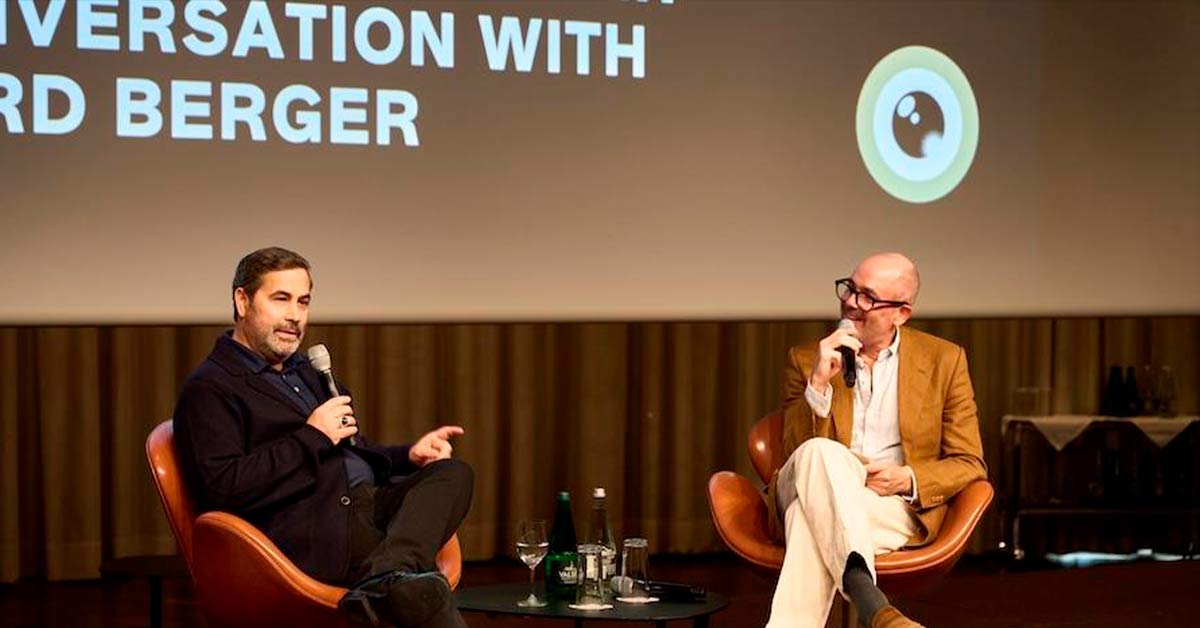
The summit concluded with Glen Basner, founder of FilmNation and recipient of the Game Changer Award, in conversation with Edward Berger, director of Conclave. Basner criticized distributors’ pressure to develop projects designed for home viewing: “Sometimes you have to take a chance on an unknown actor because they are the best person for the role.” Even so, he remained confident: for the first time since 2019, he feels he understands the business, and his company plans to keep growing by “taking more risks than we have in recent years.”