

NAZA, the documentary directed by Yuval Abraham and Rachel Szor, will be available to watch for free and without a time limit online through The Guardian starting in November, according to the film’s team. The feature had its world premiere at the Venice Film Festival, where it received the Special Jury Prize, and has international distribution in more than 50 territories. At the moment, there is no information about a release of the film in Argentina.
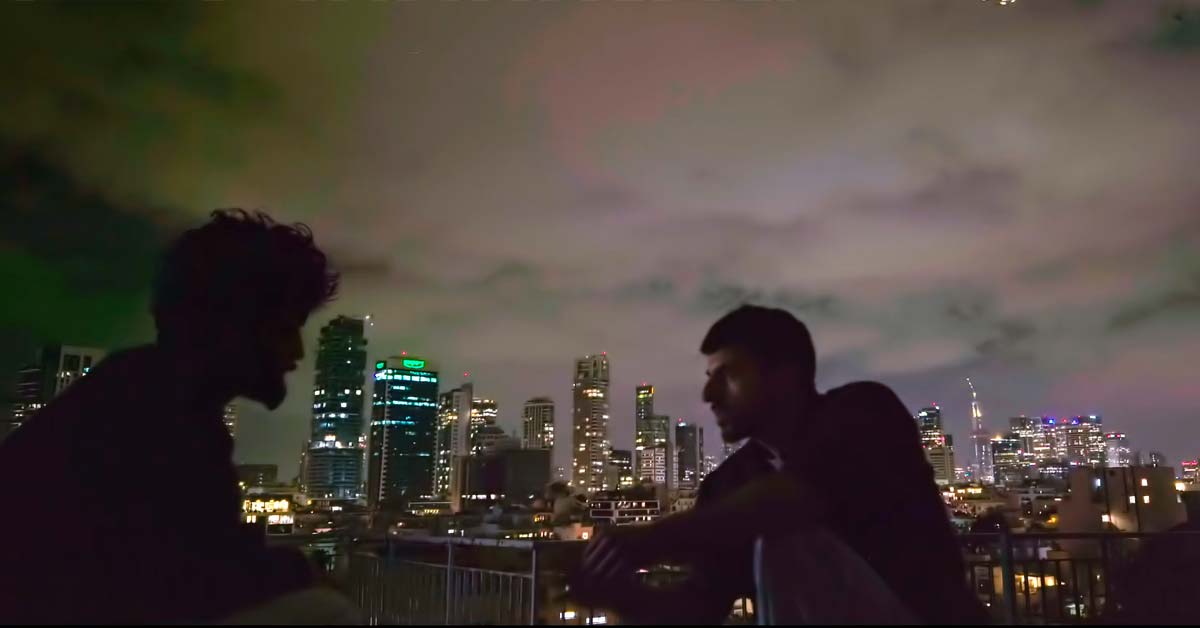
Shot over three years, primarily at night on rooftops in Tel Aviv, the film brings together the testimonies of 24 Israeli soldiers and security personnel who discuss military operations in Gaza and the mechanisms used to determine targets and calculate potential civilian casualties. The title refers to the term used by the Israeli military to designate civilian casualties considered collateral damage.
The documentary grew out of Abraham and Szor’s journalistic work and years of investigations for The Guardian, +972 Magazine, and Local Call. The production also includes Jonathan Glazer and James Wilson, the producers of The Zone of Interest.
Amid the interest generated by the film and the difficulties of securing its release in Israel, Abraham announced that he and Szor had decided, together with The Guardian, to make NAZA available to watch for free online starting in November. At the same time, they offered the film to Israeli cinemas at no cost so that it could be released in the country alongside its international distribution.
In his statement, Abraham defended the journalistic nature of the film and said it was built on a three-year investigation whose data was verified and cross-checked. He also responded to criticism received over the past week: “Journalism is not treason. Criticism is not treason,” he said, arguing that acknowledging the crimes documented in Gaza does not mean justifying Hamas’s October 7 attack, which he described as criminal and without justification.
The director also said that the film seeks to open a public debate about the actions of the Israeli government in Gaza and the normalization of violence against civilians. “Crimes are not explained, they are stopped,” he said, calling on other soldiers who have witnessed abuses to find a way to tell what happened.