Time as an Editor
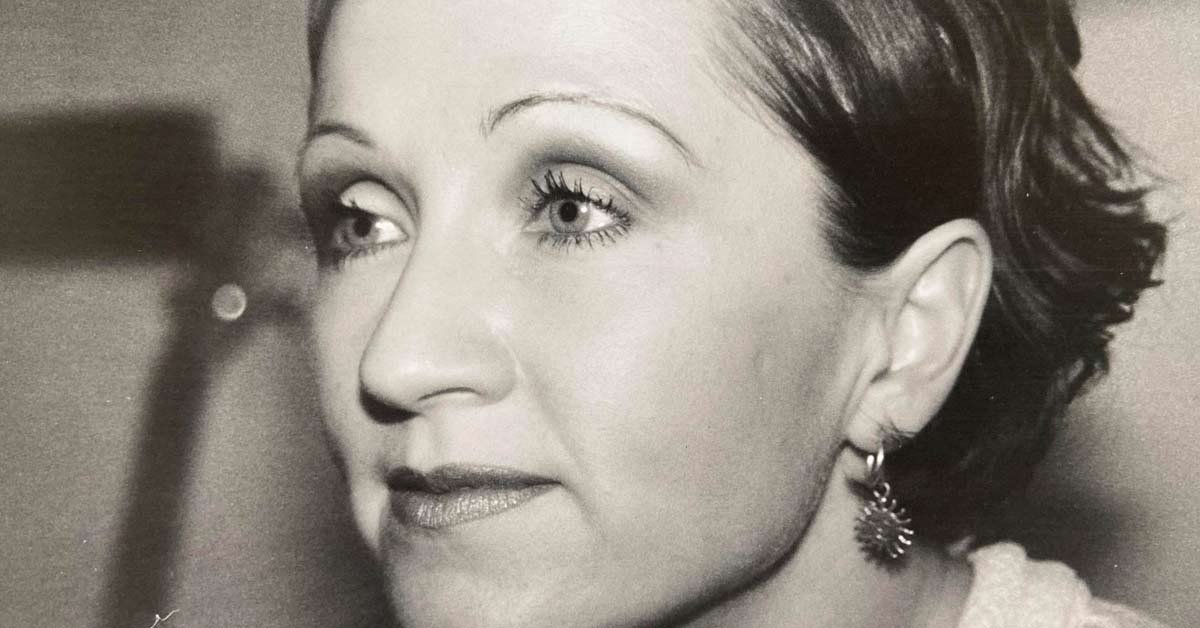
Helena Třeštíková has turned patience into a method and the calendar into a writing tool. Her documentaries are built through sedimentation: years of visits, conversations resumed, images that only acquire meaning when others, filmed much later, respond to them. Bára – Diary of a Rockstar takes this approach into territory that might seem foreign to her, that of celebrity. Music biographies tend to be structured around dramatic peaks, rise and fall set to a soundtrack. Třeštíková applies the opposite logic, that of repetition, and discovers that what reveals the most about Bára Basiková’s life is what keeps coming back.
The film’s greatest strength lies in its ability to identify patterns. A sentence spoken on camera in one decade finds its exact echo in the next, and the viewer understands without anyone having to explain. The singer’s voice-over, recorded from a distance and sometimes with irony toward her own past, engages with the archive like someone commenting on old photographs of a person they know. This counterpoint between the woman who lived through events and the woman who remembers them gives the film a dual texture, both documentary and emotional, and serves as the story’s true driving force.
Třeštíková refuses to interpret. There are no expert voices, no explanatory captions, no interviews with third parties to guide the viewer toward a particular meaning. This restraint has something admirable about it, leaving the viewer face to face with raw material and trusting them to make sense of it. What emerges, for those willing to see it, is a precise portrait of how a patriarchal society exacts a price for female talent: a woman who earns more, who occupies center stage, pays for that audacity with loneliness, guilt, and relationships in which she ends up taking care of everyone but herself. The film conveys all this with the force of accumulated evidence.
The same restraint also defines its limitations. The director once again chooses a protagonist who suffers, and her cinema, so rigorous in its observation, tends to return to the same figure: someone enduring one blow after another. The result leaves the impression of a formula we already know by heart, applied with craftsmanship to a new subject. Music, meanwhile, remains on the sidelines. Basiková is an artist of remarkable range, with decades of experience in rock and musical theater, yet the film is more interested in her private wounds than in her art, as though her voice were merely the backdrop to a sentimental life.
The clearest innovation lies in the editing. Bringing in a new editor gives Třeštíková’s work a sense of momentum that her previous films did not always possess. The hundred minutes move with purpose, leap effortlessly across decades, and manage the tension between everyday observation and moments of rupture with confidence. The most successful formal device is the use of a song as a framing element: a popular number about a betrayed woman, which the singer performed when she was very young and returns to in the closing sequence. This symmetry distills the film’s thesis with an economy that the rest of the running time sometimes lacks. Between the two performances, the lyrics shift from an assigned role to something personally owned, and in this subtle transformation Třeštíková finds her most compelling image of the passage of time.