

The International Film Festival Rotterdam (IFFR) has announced the first ten titles set to have their world premieres at its 56th edition, which will take place from 28 January to 7 February 2027. The initial selection is divided between Bright Future, dedicated to debut features and emerging filmmakers, and Harbour, which showcases work by established filmmakers and films that explore narrative forms beyond conventional boundaries.
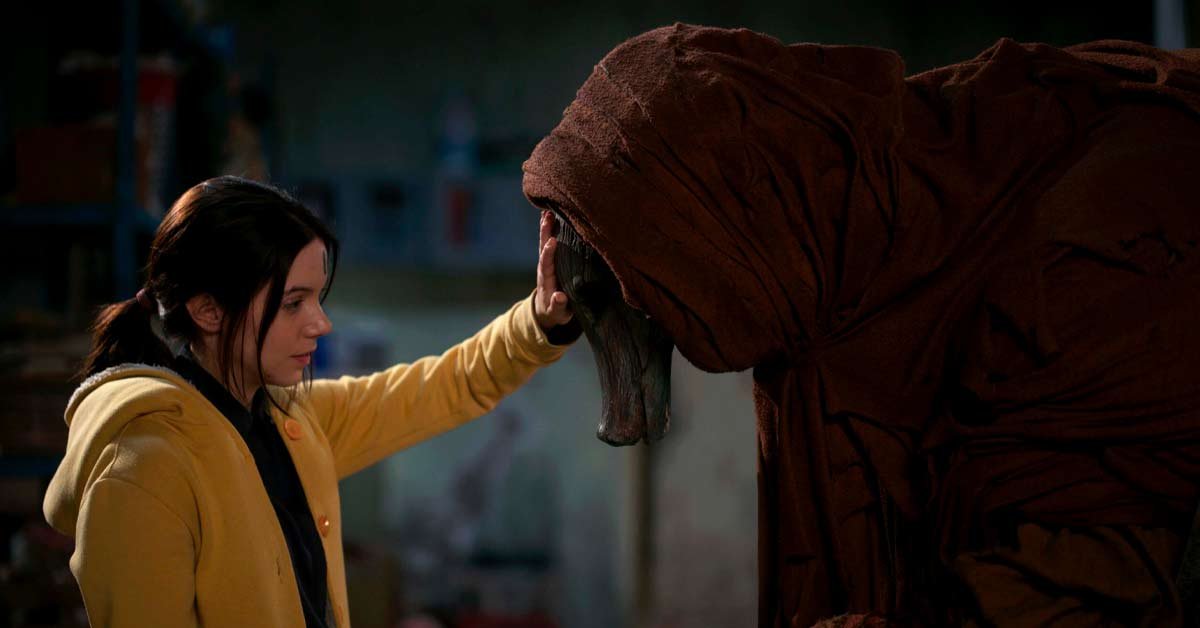
Among the announced titles is El Muglur, the debut feature by Argentine filmmaker Lucila Las Heras, a Mexican-Argentine co-production selected for Bright Future. The film follows Aurora, a young woman struggling to write a fantasy novel while living with her alcoholic father. Unable to make progress on her work, she strikes a Faustian bargain with a strange creature without knowing the price she will have to pay. The festival describes the film as a dark, claustrophobic fairy tale that combines horror, fantasy and domestic drama.
Bright Future includes four other feature films. Kids Go Free, by American filmmaker Ben Hicks, is the result of fifteen years of filming across the United States, Taiwan and Japan. Portrait of a Young Criminal, by Parbat Chapagai, adapts Fyodor Dostoevsky’s Crime and Punishment, relocating the story to Nepal. The selection is completed by In the Name of Galeela, the debut feature by Egyptian filmmaker Mohamed El Zayat, and Tehran: The Dark Atelier of Desire, a documentary by Iranian filmmaker Ali Bakhtiari about artists working in their studios as the threat of war looms over Tehran.
The Harbour section presents five additional productions exploring politics, social conflict, identity and personal experiences through diverse formal approaches. Among them is Karl Marx, Luanda, by Angolan filmmaker Kiluanji Kia Henda, a political satire that imagines Angola’s future as a Marxist state, combining a love story, time travel and elements of science fiction westerns.
The selection also includes Ali and Ben’s Spicy Meats, by Malaysian filmmakers Feisal Azizuddin and Iskander Azizuddin, a horror comedy about two friends who discover a recipe based on human flesh. Meanwhile, Waiting Room, by Israeli filmmaker Omer Shamir, follows Palestinian photojournalist Mohammed Zaanoun and his family after they are displaced from Khan Younis to Egypt.
Rounding out the announcement are The Lapse, by Hong Kong filmmaker Rita Hui Nga Shu, a cinematic essay combining declassified government documents, personal experiences and an AI-cloned voice, and Yiannis, by Cypriot filmmaker Kyros Papavassiliou, which follows a teenage boy and his mother as they search for the missing body of his father on a divided island.
IFFR festival director Vanja Kaludjercic said the first selection reflects the diversity of perspectives and cinematic languages shaping contemporary filmmaking, with films ranging from provocative works to intimate stories and productions addressing urgent political issues. The festival has also unveiled the visual campaign for its 2027 edition, developed in collaboration with Rotterdam-based design studio 75B, which seeks to reflect the festival’s interest in the different ways artists interpret the world around them.
The full programme for the 56th International Film Festival Rotterdam will be announced on 16 December.